

Chapter 10 - Story That Converts
Now that you’ve pulled people in with an enticing opening, it’s time to answer their burning questions and convert their interest into support.
Chapter 11 - Campaign Page Worksheet
Now is your chance to go step-by-step through each component of a strong Kickstarter book page.
Chapter 13 - Transparency, FAQs, and Proof
At this point, your page should already hook interest and explain the project well.
Chapter 14 - Audience Activation
A Kickstarter campaign isn’t about shouting, “Buy my book.”
Chapter 15 - Outreach Strategies
Once your campaign is live and your pre-built audience has hopefully given you a strong start, the work isn’t over.
Chapter 16 - How to Build an Email Sequence
When I tell authors I send daily emails during a Kickstarter launch, they look at me horrified.
Chapter 17 - Launch Day Tactics
A campaign is a marathon, but you need to start with a bang.
Chapter 18 - How to Think About Your Campaign
People think Kickstarter success is about having the best product or the prettiest video or the most polished rewards.
Chapter 19 - Managing Backer Flow
The golden rule of a live campaign is, don’t disappear.
Chapter 20 - Overcoming Lulls
In a properly run campaign, 1/3 of your funding will come in the first week, 1/3 in the last week, and 1/3 in the middle.
Chapter 21 - Fulfillment Planning
The moment your campaign ends successfully, take a brief victory lap – you did it!
Chapter 22 - Printing Options
I’ve always been fascinated with printing books.
Chapter 23 - Delivery Without Drama
We’ve gotten all the logistics sorted and we’re ready to actually get books into backer’s hands.
Chapter 24 - Post-Campaign Success
You’ve done a hard thing and delivered a great book to your amazing backers.
Conclusion - A New Chapter Begins
You started this book as an author curious (and maybe a bit nervous) about Kickstarter.
What Do We Owe to Each Other?
A few months ago, somebody asked why, given the negative reactions some people have, we should help anyway.
PLG, SaaS, and How the Nonsense Terms from Tech Can Help Supercharge Your Author Career
I read a lot of tech articles, specifically about growth and scale, two words that are as exhausting as they are enthralling.
The. End. (not of this Substack)
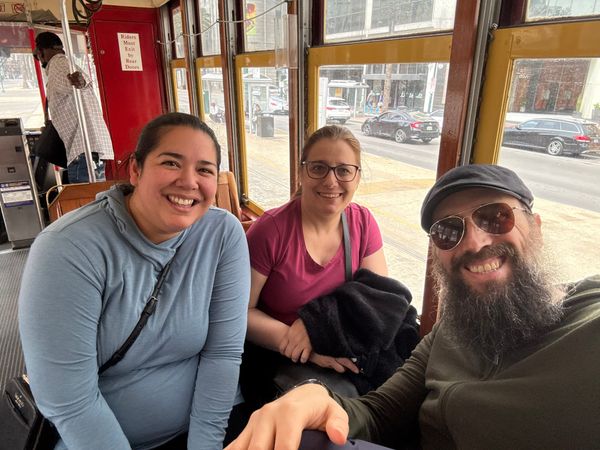
This is a very hard post to write, but it has to be done.
This is the work that works
Direct sales is the throughline of my career.
Understanding the modern customer journey
The art of turning a stranger into a loyal customer has never been more complex or more important than in today's digital landscape.
Psychological triggers
Authors have always found compelling ways to engage readers through plot, character, and world building,
Building an audience from scratch
I have a sizable audience now, but it wasn’t always that way.